Out of season
Camping on the Isle of Wight out of season
Which campsites stay open, what the weather really does, cosy glamping with wood burners, and the out-of-season prices.
In short: most Isle of Wight campsites close between the end of September and the end of October, but 21 of the 104 we list are open all year. The weather is milder than most of mainland Britain and it rarely snows, but autumn and winter bring gales and long nights, so the best out-of-season stays are either a sheltered pitch with good kit or a heated glamping unit with a wood burner.
Which campsites stay open
The season on the Island runs roughly from Easter to the end of September. October is a tail: some sites stay open to cover the Island's long October half term, and then most shut until March or April. By the middle of November only a small group is left, and most of those are lodges, glamping and holiday parks rather than grass pitches.
The chart shows how steeply the numbers drop after October. Use the month pages to see exactly who is open: October, November, December, January, February and March. The open all year list is the short one to start from.
Pitches you can use in winter
If you want to bring your own tent, caravan or motorhome in the dark months, the choice is small but spread across the Island:
- Camp Wight near Shalfleet: off-grid woodland pitches, deliberately unlit, with a bus stop outside and a cheaper rate if you arrive without a car.
- Mill Heights at Calbourne: a simple field next to the water mill with no marked pitches or hook-ups, dark skies and raised fires allowed.
- Waverley Park in East Cowes: a walk from the Red Funnel terminal, with a bar looking over the Solent.
- The Chequers Inn at Rookley and Springfield Oaks near Newport: hook-up pitches for caravans and motorhomes in the middle of the Island, each a short walk from food.
- New Bank End Farm at St Lawrence and Dairymans Daughter Cottage near Arreton: small certificated sites for club members.
Check the facilities, not just the gate. Open all year doesn't always mean everything is running all year. If the shower block, shop or bar matters to you in January, ring and ask before you book.
What the weather really does
The Island has a maritime climate: the sea keeps it a little warmer in winter than inland Hampshire, and hard frosts and snow are less common, especially on the south coast. The Undercliff between Niton and Bonchurch, below St Boniface Down, is the most sheltered corner and noticeably mild.
The trade-off is wind. Autumn and winter storms come in from the south-west, straight off the Channel, and the downs and the Back of the Wight take the full force. A pitch that is lovely in June can be miserable in a November gale. In the colder months:
- Choose a pitch with a hedge, a bank or trees on its south-west side. Woodland and valley sites are far calmer than clifftop fields.
- Expect rain in spells rather than all day, but expect it. Grass pitches get soft; hardstanding helps if you're in a van.
- Days are short: around eight hours of daylight in late December. The clocks go back at the end of October, so plan to pitch by mid-afternoon.
- The sea holds its summer warmth into October, which is why early autumn can be the best swimming of the year. By midwinter it is cold-water-swimming territory only.
Pack for it with our Island packing list, which covers pegs for chalk and sand and keeping a tent standing on the downs.
Glamping with a wood burner or hot tub
For most people the easy way to do an out-of-season break is a heated unit. Several all-year glamping sites are built for exactly this:
- Puckaster Cove Hideaway near Niton: sea-view yurts and a tiny home above Reeth Bay with wood burners, central heating, outdoor baths and a wood-fired sauna.
- Into the Woods at Wootton: two treehouses and a group of shepherd huts with wood burners, each booked on its own with no shared facilities, and a hot tub option on the huts.
- Tiny Homes Holidays near Cowes: six off-grid tiny homes with wood burners and private decks, plus a wood-fired hot tub and sauna to hire.
- Moor Farm Yurt near Godshill: one large yurt with a wood-burning stove as well as radiators.
- Westfield Farm near Shalfleet: three heated timber cabins for up to four.
- Tapnell Farm near Yarmouth: safari tents, domes and cabins on the farm, some with their own outdoor hot tub.
Camp Wight also has insulated geodesic domes with wood burners if you like the woods but not a cold tent. For the full picture see the campsites with hot tubs (12 in all, not all open in winter), lodges, and the glamping guide.
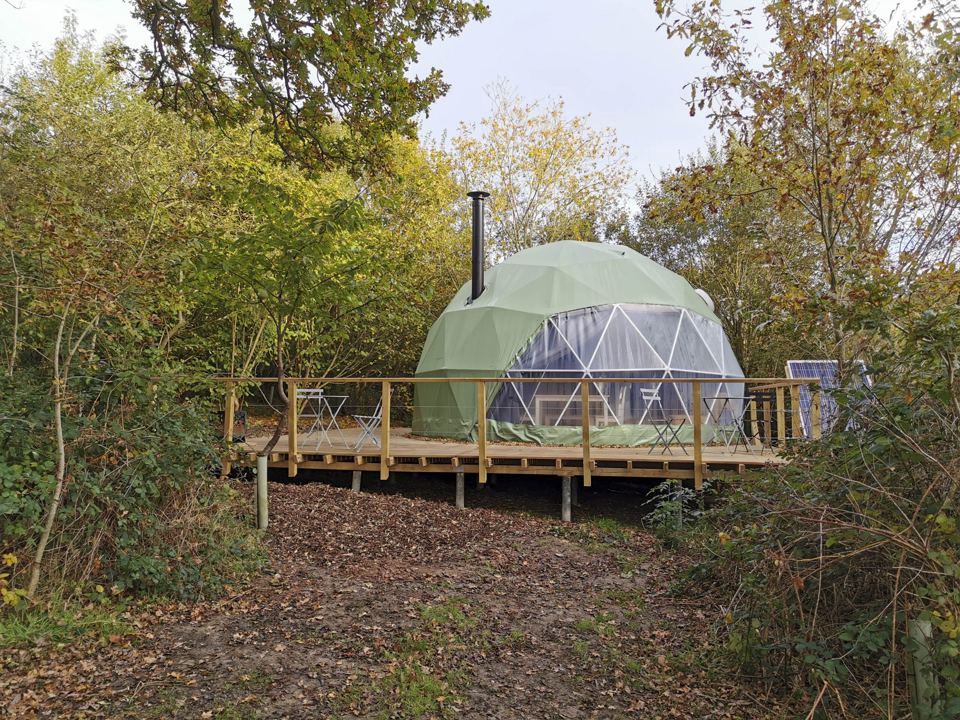
Campsite · Shalfleet
Camp Wight
Tents, caravans, motorhomes, pods, pre-pitched tents
- Dogs welcome
- Campfires
- Glamping
from £20/night
View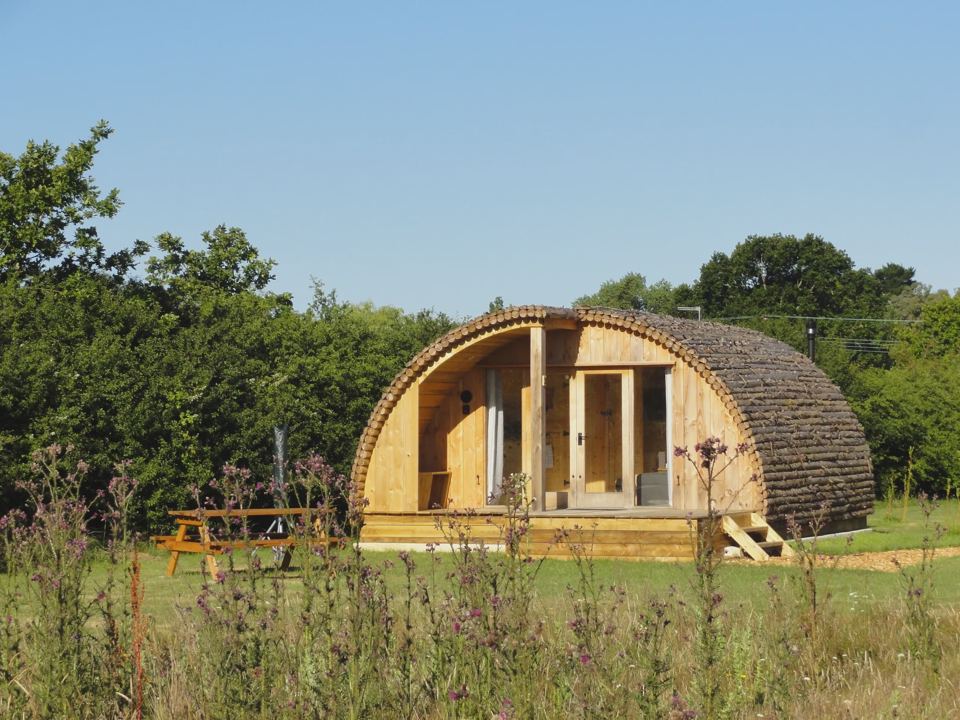
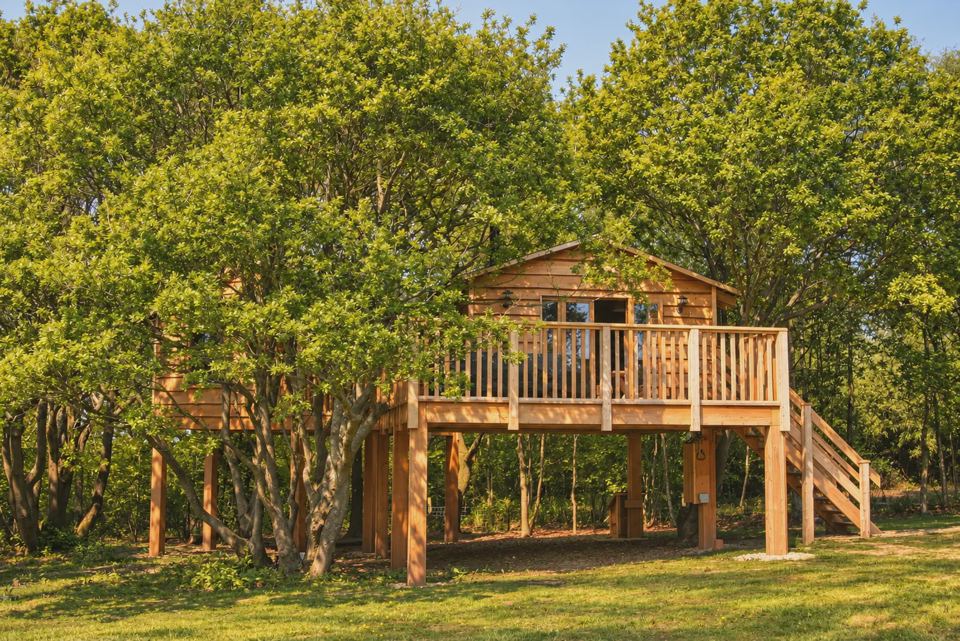
Glamping site · Wootton Bridge
Into the Woods
Treehouses, shepherd's huts
- Some dogs
- Campfires
- Glamping
from £78.57/night
View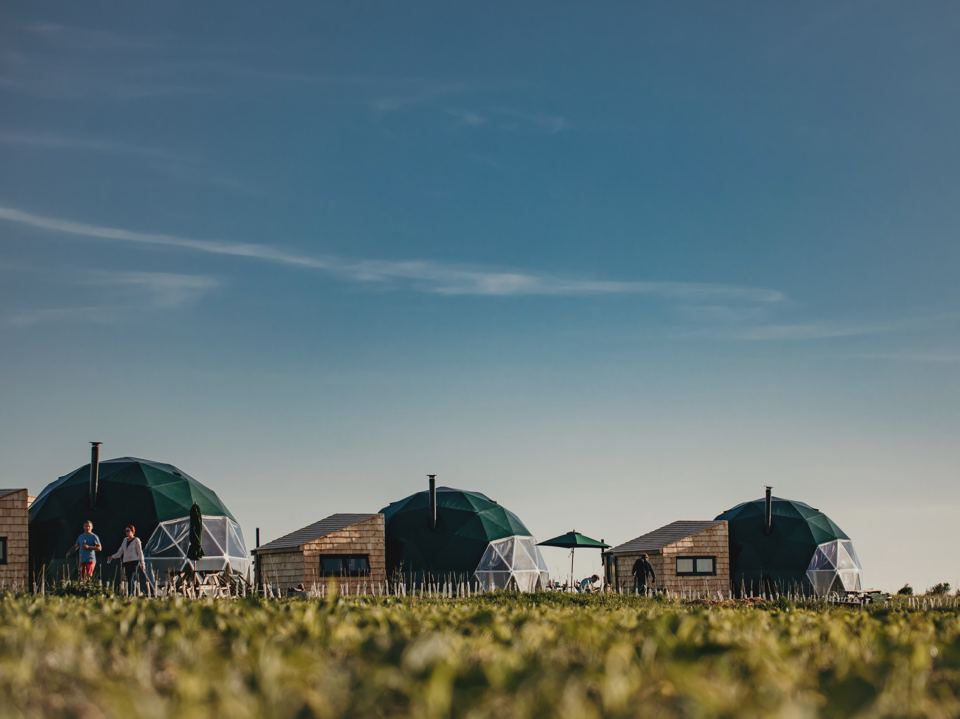
Glamping site · Yarmouth
Tapnell Farm Glamping (Tom's Eco Lodge & Camp Tapnell)
Safari tents, cabins, pods, chalets, lodges
- Some dogs
- Campfires
- Glamping
from £125/night
View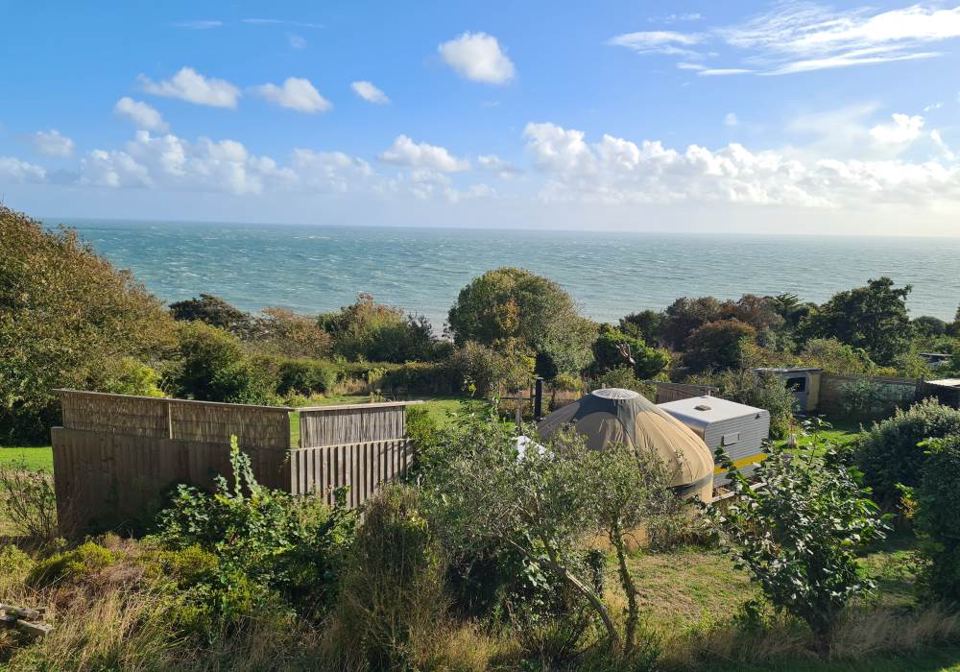
Glamping site · Niton
Puckaster Cove Hideaway (Stargazers' Retreat)
Yurts, cabins
- No dogs
- Campfires
- Near beach
- Glamping
from £180/night
View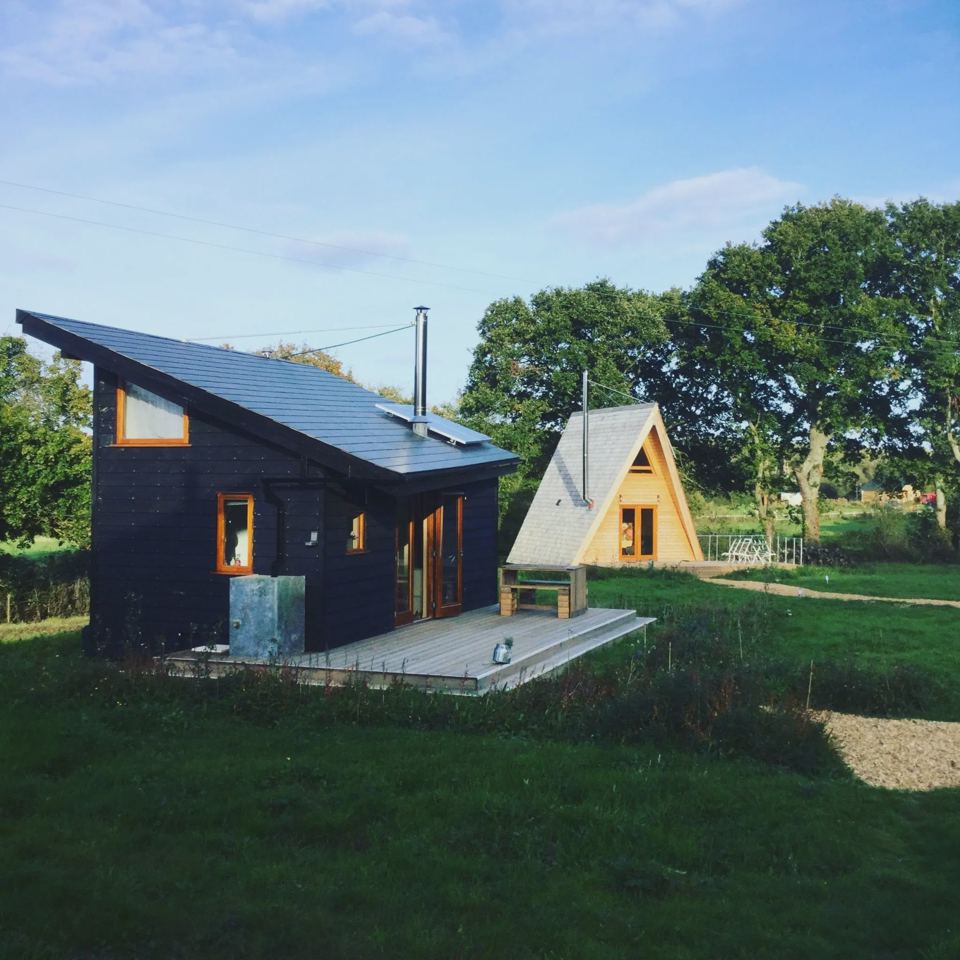
Out-of-season prices
Pitches cost less outside the summer holidays, though not dramatically: many small sites charge much the same from spring to autumn, and the big savings are on glamping, lodges and the ferry. The months chart above shows the typical Saturday pitch price; on each campsite's page, the price calendar shows the next twelve months night by night, and the price comparison prices every open campsite for your dates at once.
Two exceptions: the October half term and the Christmas to New Year week can be as busy as summer at the places that stay open, and minimum stays often apply. Book those early. The best time to camp guide covers the rest of the year.
What's on out of season
An empty Island in autumn is part of the appeal: quiet paths, free parking spaces and beaches to yourself. A few things are worth timing a trip around:
- The autumn Walking Festival runs in October alongside the bigger May one, with guided walks across the Island. Our Walking Festival guide covers where to stay.
- The Isle of Wight Literary Festival is usually held in Cowes in October.
- Stargazing. Long nights and empty campsites make winter the best time to look up. The Orionid meteors peak in late October and the Geminids in mid-December. See dark skies and stargazing.
- The Isle of Wight Steam Railway at Havenstreet runs Santa trains in December, which need booking. See campsites near the steam railway.
- Walking in general. The Coastal Path and the inland trails are open all year. The chalk is quick to drain; the clay paths on the south-west coast and in the Yar valley are muddy all winter.
Short days also mean a pub matters more. The campsites near a pub list is a good filter for a winter weekend.
Questions people ask
Are any Isle of Wight campsites open in winter?
Yes. 21 of the campsites we list are open all year, a mix of small pitch sites, touring parks and heated glamping. Most other Island campsites close between the end of September and the end of October.
When do Isle of Wight campsites close for the winter?
Most close at the end of September or after the October half term, and reopen around Easter. A few stay open all year.
Is it too cold to camp on the Isle of Wight in winter?
It is milder than most of Britain and snow is rare, but nights are long and autumn and winter gales are common. A sheltered pitch and a four-season sleeping bag make it comfortable; heated glamping with a wood burner is the easy option.
Can I camp on the Isle of Wight at Christmas?
Yes, at the campsites and glamping sites that stay open all year. They book up early for Christmas and New Year, and minimum stays often apply.
Is camping cheaper on the Isle of Wight out of season?
Usually a little. Pitch prices drop outside the school holidays, and glamping, lodges and ferry fares drop more. The October half term and Christmas week are the exceptions.